Richardson, TX · Dallas County
Heating Equipment Fire Restoration in Richardson, TXStructural Soot Removal & HVAC Component Assessment
Heating Equipment Fire Restoration in Richardson encompasses smoke odor elimination, emergency fire board up, and HVAC component assessment post-fire.
Answered 24/7
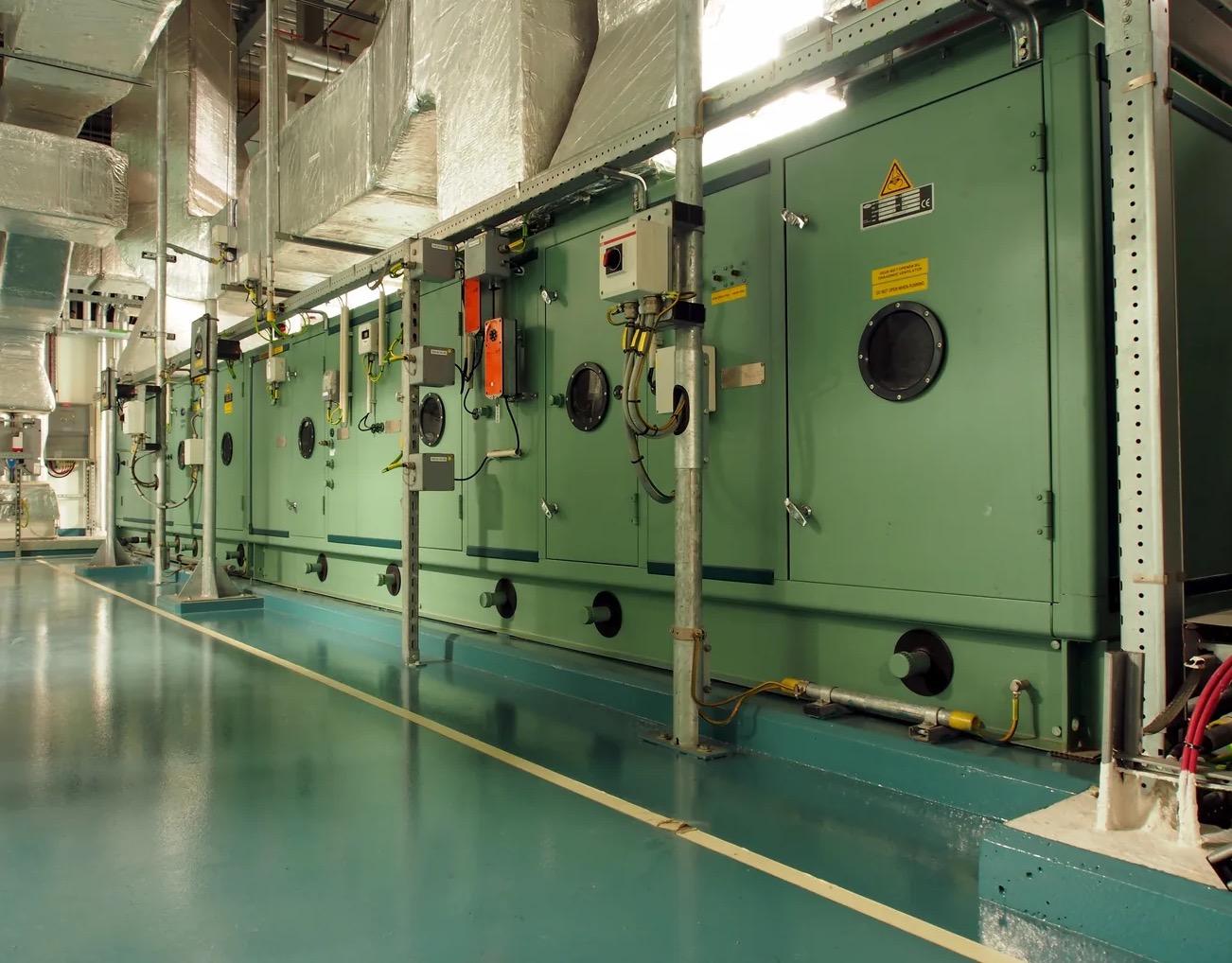
Expert Heating Equipment Fire Restoration Available in Richardson
Heating equipment fire restoration protects Richardson properties from long-term issues like lingering smoke odors and corrosive soot damage after a fire. Local smoke remediation specialists clean soot from the heating system and treat smoke damage.
In Richardson and nearby Plano, Garland and University Park, the work focuses on smoke cleanup and duct cleaning. The specialists test air quality and clean contents after a fire. The specialists in Richardson work in occupied homes as well as vacant properties and active businesses.
Heating Equipment Fire Restoration Work Scope in Richardson
Structural Soot Removal
Soot accumulation on structural elements requires careful removal. The pros employ methods like dry sponging and chemical washing suited to each surface.
HVAC Component Assessment
HVAC component assessment involves a detailed inspection of a heating system's furnace, heat exchanger, and electrical parts after a fire. The aim is to find which parts can be saved.
Smoke Odor Elimination
Smoke odor elimination tackles the persistent smell permeating fabrics and drywall after a heating equipment fire. The process involves advanced techniques like thermal fogging to neutralize odor molecules.
Emergency Fire Board Up
Emergency fire board up provides immediate security after a heating equipment fire compromises windows or walls. This early work prevents further weather damage or unauthorized entry for homes in Richardson.
Heating System Soot Cleanup
Specialized cleaning agents remove the oily residue left after a heating equipment fire, a process that helps prevent permanent staining. The residue is removed before it etches surfaces in Richardson.
When to Call for Heating Equipment Fire Restoration in Richardson
Breathing Irritation After the Fire
Respiratory discomfort indoors suggests poor air quality, making post-fire air quality testing important.
Ash Residue on Furnace Components
Ash and debris inside your furnace cabinet are a clear sign of heating system fire cleanup.
Compromised Windows or Doors
Broken openings from firefighting efforts create security risks that emergency fire board up can address.
Persistent Smoke Odor in Rooms
A lingering smoke smell after a heating system fire means smoke odor elimination is likely necessary.
How Heating Equipment Fire Restoration Works in Richardson
Step 1: Emergency Assessment and Board Up
The specialists first secure the site with emergency fire board up. They document all heating unit fire damage for your insurance claim with photos and notes.
Step 2: Soot and Smoke Residue Removal
Soot is removed from all surfaces first, including the walls around the unit and the heating system itself.
Step 3: Deep Duct and HVAC Cleaning
Fire damaged duct cleaning uses industry-standard equipment to remove soot and ash. An HVAC component assessment verifies each part's safety and function after the fire incident.
Step 4: Air Quality Testing and Odor Elimination
Final smoke odor removal techniques are applied. Post-fire air quality testing confirms the environment is clean before the heating equipment fire restoration is complete.
Typical Origins of Heating Unit Fires in Richardson
Faulty Wiring in Heating Systems
Aged or improper wiring connected to your heating system is a frequent cause of heating system fire cleanup.
Mechanical Furnace Component Failure
A failing blower motor or bearing can create extreme friction and sparks, causing heating equipment fire damage.
Flammable Storage Near Heating Unit
Paints or chemicals stored next to a furnace can catch fire and fill the house with smoke.
Dust and Lint Ignition in Ducts
Built-up dust in ductwork can catch a spark and burn, leaving soot inside the ducts.
Complete Heating Equipment Fire Restoration for Richardson Properties
Residential Heating Equipment Fire Restoration
Homeowners face unique challenges after a heater fire. The specialists in Richardson provide thorough smoke odor removal from carpets and drapes. They use IICRC-standard methods for content cleaning after fire and detailed HVAC component assessment.
Commercial Heating Equipment Fire Restoration
Restaurants or shops hit by a heating fire require specialized care. The pros execute intensive soot damage restoration for kitchen hoods or inventory areas. Their fire restoration process includes air quality testing to meet health codes.
Heating Equipment Fire Restoration vs. DIY: When to Call Smoke Remediation Specialists
You can remove unsoiled items from adjacent rooms to prevent cross-contamination. Do not wash smoke-damaged fabrics with normal detergent, as it can set the odor. Avoid using air fresheners to mask smoke smells. Removing smoke odor takes the pros.
Heating Equipment Fire Restoration Cost in Richardson, TX
In Richardson, cost depends on the labor for duct cleaning, the equipment for soot removal and how far the smoke spread.
Ductwork Damage Extent
Fire damaged duct cleaning complexity varies widely; severely compromised HVAC ducts may need sections replaced, influencing material and labor costs.
Air Quality Testing
Air quality testing confirms the cleanup worked and is a separate step.
HVAC Assessment Findings
An HVAC component assessment may reveal parts needing repair or replacement, which contributes to the final cost of heating equipment fire restoration.
Does Insurance Cover Heating Equipment Fire Restoration?
Coverage for soot removal after fire is not universal; it hinges on your individual insurance policy. Professionals performing the work compile evidence like moisture readings and soot samples to aid your insurer's evaluation process.
Benefits of Local Specialists for Heating Equipment Fire Restoration in Richardson
Documentation for Claims
Detailed documentation of all damage and restoration steps is prepared to assist you when you file an insurance claim for the loss.
Post-Restoration Air Testing
Air quality testing at the end confirms the indoor air is clean again.
Detailed HVAC Assessment
An HVAC assessment checks ducts and mechanical parts for hidden fire and soot damage.
Emergency Heating Equipment Fire Restoration in Richardson
Act quickly to mitigate further damage from a heating-related fire. Reach the specialists for emergency response in Richardson by dialing (945) 302-8756 day or night.
Call Now (945) 302-8756Locations for Heating Equipment Fire Restoration Including Richardson
For residents in Richardson and nearby areas like Plano, Garland and University Park, fire damage restoration following a heating unit incident involves specialized soot removal and air quality recovery processes.
Heating Equipment Fire Restoration FAQ for Richardson Homeowners
Is heating system fire cleanup different from other fires?
Heating oil, furnace and boiler fires often leave dense, oily soot that needs special cleaners.
What is the goal of soot damage restoration?
It removes acidic soot from every surface to stop ongoing corrosion, staining and odor problems.
Can a heating unit be repaired after a fire?
An HVAC component assessment determines if the furnace or heating system can be safely cleaned and repaired or if replacement is necessary due to heat damage.
What is involved in smoke damage remediation?
Smoke damage remediation addresses both visible residues and invisible odors through cleaning, sealing, or replacing affected materials and using air scrubbing equipment.
What does an HVAC component assessment check?
This inspection evaluates the furnace, ductwork, and other components for heat damage, soot contamination, and operational safety to determine repair or cleaning needs.