Richardson, TX · Dallas County
Desiccant Dehumidification in Richardson, TXHigh Capacity Dehumidification Rental & Commercial Desiccant Dehumidification
Post-Flood Structural Drying, water damage drying systems, and industrial moisture removal form a Desiccant Dehumidification plan for Richardson.
Answered 24/7
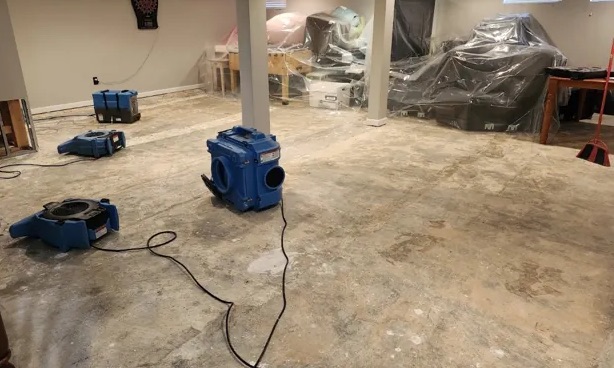
Local Desiccant Dehumidification Services in Richardson, Texas
In Richardson, hidden moisture after a leak or flood can weaken materials and harm indoor air. Desiccant dehumidification pulls moisture out of the building to stop damage and help prevent mold.
For effective moisture control in Richardson, desiccant dehumidification is a go-to solution for severe water intrusion. Local drying specialists utilize high capacity dehumidifiers and the desiccant drying process to tackle jobs that standard equipment cannot. Communities near Plano, Garland and University Park are served too.
Comprehensive Desiccant Dehumidification Offerings in Richardson
High Capacity Dehumidification Rental
For extensive drying, renting high capacity desiccant dehumidifiers is practical. These commercial machines process large air volumes, cutting humidity in entire floors fast. Proper setup and airflow planning are crucial for effectiveness.
Commercial Desiccant Dehumidification
For major commercial water damage, desiccant dehumidification provides targeted drying. These units achieve very low dew points, ideal for cold environments or deeply saturated materials.
Commercial Building Desiccant Drying
When commercial buildings suffer water intrusion, desiccant drying offers a powerful solution for large, enclosed areas. The process actively strips moisture from the air to accelerate drying of structural components.
Low Temperature Drying Services
For water damage in cold settings, low temperature drying services offer a reliable fix. Controlled drying prevents mold and stabilizes materials.
Water Damage Drying Systems
For moisture removal, a coordinated water damage drying system is needed. Desiccant dehumidification provides dry air, while circulators manage evaporation rates. This balanced system, monitored with instruments, prevents odors and mold.
How to Know You Require Desiccant Dehumidification in Richardson
Peeling Paint or Wallpaper
Paint or wallpaper that bubbles and peels is a classic sign of moisture intrusion behind the surface.
Water Stains on Drywall or Ceilings
Brownish water stains often mark past leaks where residual moisture still lurks, needing extraction.
Mold or Mildew Growth Spots
Any visible mold or mildew patches are a direct result of excess moisture that must be addressed.
Rusted Metal Fixtures or Nails
Unexplained rust on metal components inside a property is a clear indicator of elevated moisture levels.
How Desiccant Dehumidification Works in Richardson
Step 1: Emergency Moisture Extraction
Local desiccant dehumidification pros first extract all standing water using powerful pumps and vacuums, removing the bulk liquid to prepare for drying.
Step 2: Desiccant Dehumidifier Placement
High capacity desiccant dehumidifiers are strategically placed to create airflow pathways for efficient low humidity drying throughout the space.
Step 3: Active Desiccant Drying Process
The desiccant units actively adsorb moisture from the air, releasing dry, warm air back into the environment to draw water from materials.
Step 4: Verification of Moisture Removal
Using moisture meters and sensors, the specialists verify that all structural materials have reached dry standard levels before removing equipment.
Typical Events Requiring Desiccant Dehumidification
Plumbing Leaks Behind Walls
Slow leaks from pipes inside walls release moisture steadily into building materials, requiring drying.
HVAC System Condensation Issues
Improperly draining AC units or humidifiers can distribute excess moisture through ductwork into the living space.
Roof Leaks During Heavy Rain
Compromised roofing allows water intrusion into attics and ceilings, leading to widespread structural water damage.
Sprinkler System or Irrigation Faults
Landscape irrigation systems that leak or malfunction can soak exterior walls and seep into foundations.
Residential and Commercial Desiccant Dehumidification in Richardson
Residential Desiccant Dehumidification
Multi-story homes with complex wall cavities can benefit from targeted desiccant dehumidification to dry interstitial spaces. This structural drying technique helps prevent long-term decay inside the building envelope.
Commercial Desiccant Dehumidification
The pros implement rigorous air drying equipment protocols to meet strict standards. The desiccant drying process maintains low humidity levels critical for sensitive electronics and paper storage.
Why DIY Often Falls Short for Desiccant Dehumidification
If you discover a small, recent leak, you can safely remove standing water with a wet-dry vacuum and mop. However, for any significant moisture or hidden dampness, call the pros for desiccant dehumidification to prevent embedded moisture from causing structural issues.
What Influences Desiccant Dehumidification Expenses in Richardson
When calculating desiccant dehumidification expense in Richardson, key variables are the type of desiccant drying process selected, the accessibility of the wet areas, and any necessary containment measures to manage the drying environment.
Project Scale
The size of the space sets how much equipment and labor the job needs.
Moisture Severity
The depth of water saturation and the type of materials affected dictate the intensity and duration of post-flood structural drying methods required.
Equipment Needs
The number of high capacity dehumidifiers, air drying equipment, and specialized water damage drying systems needed for the job influences rental and operational costs.
Does Insurance Cover Desiccant Dehumidification?
Your homeowner's or commercial policy dictates if desiccant dehumidification after water intrusion is a covered expense. The pros provide impartial documentation of structural drying techniques and moisture control solutions applied for your insurer's evaluation.
Advantages of Hiring Local Pros for Desiccant Dehumidification in Richardson
Advanced Desiccant Technology
Using specialized desiccant dehumidification equipment allows for effective low humidity drying even in cold or challenging environments where conventional units struggle.
Commercial & Industrial Focus
High-capacity units are sized for warehouses, schools, gyms and other large buildings.
Low Temperature Drying Capability
Desiccant units perform effectively in cooler conditions, offering low temperature drying services to protect sensitive materials and contents.
Round-the-Clock Desiccant Dehumidification in Richardson, TX
The pros are available day or night for flooded buildings. Start low-temperature drying or standard desiccant dehumidification right away by calling (945) 302-8756.
Call Now (945) 302-8756Desiccant Dehumidification Available Throughout Plano, Garland and University Park
Professional desiccant dehumidification is available for properties in Richardson, providing industrial moisture removal and post-flood structural drying services throughout Dallas County and nearby areas like Plano, Garland and University Park.
Desiccant Dehumidification FAQ for Richardson Residents
Why choose desiccant drying over other methods?
Desiccant drying is chosen for its ability to achieve very low humidity drying in cold temperatures and for deep drying in thick materials, a key advantage in industrial drying services.
Can desiccant dehumidification dry concrete effectively?
Yes. Desiccant drying creates low vapor pressure that pulls moisture from deep in the slab.
What are common water damage drying methods?
Common water damage drying methods include air movers for evaporation, refrigerant dehumidifiers for condensation, and desiccant dehumidification for adsorption, chosen based on the specific drying environment.
What follows the industrial moisture removal phase?
Following the industrial moisture removal phase, a final verification is performed to confirm all materials meet dryness standards, and detailed documentation is provided for your records.
What structural drying techniques are used with desiccants?
Structural drying techniques with desiccants involve creating containment, monitoring moisture in materials, and strategically placing units to dry building assemblies from the inside out effectively.